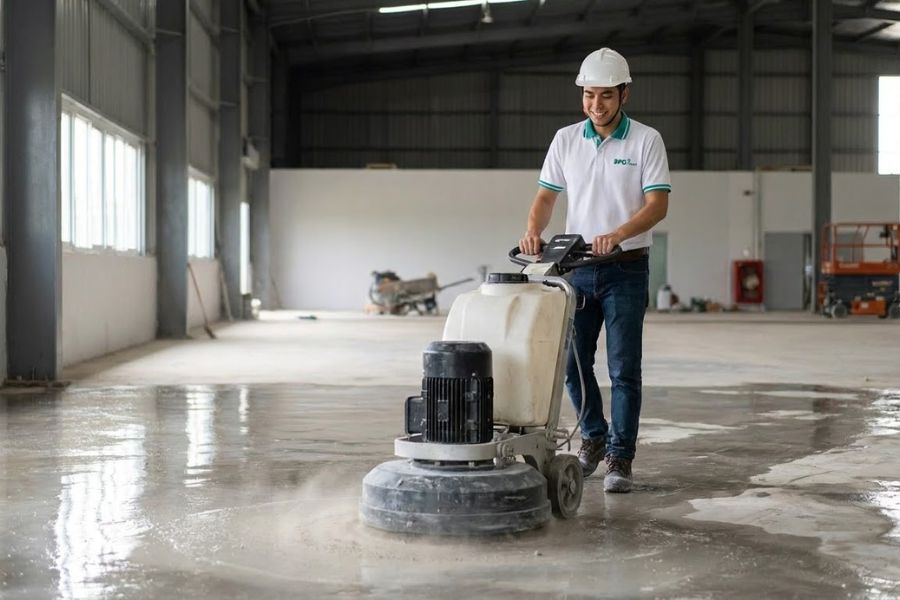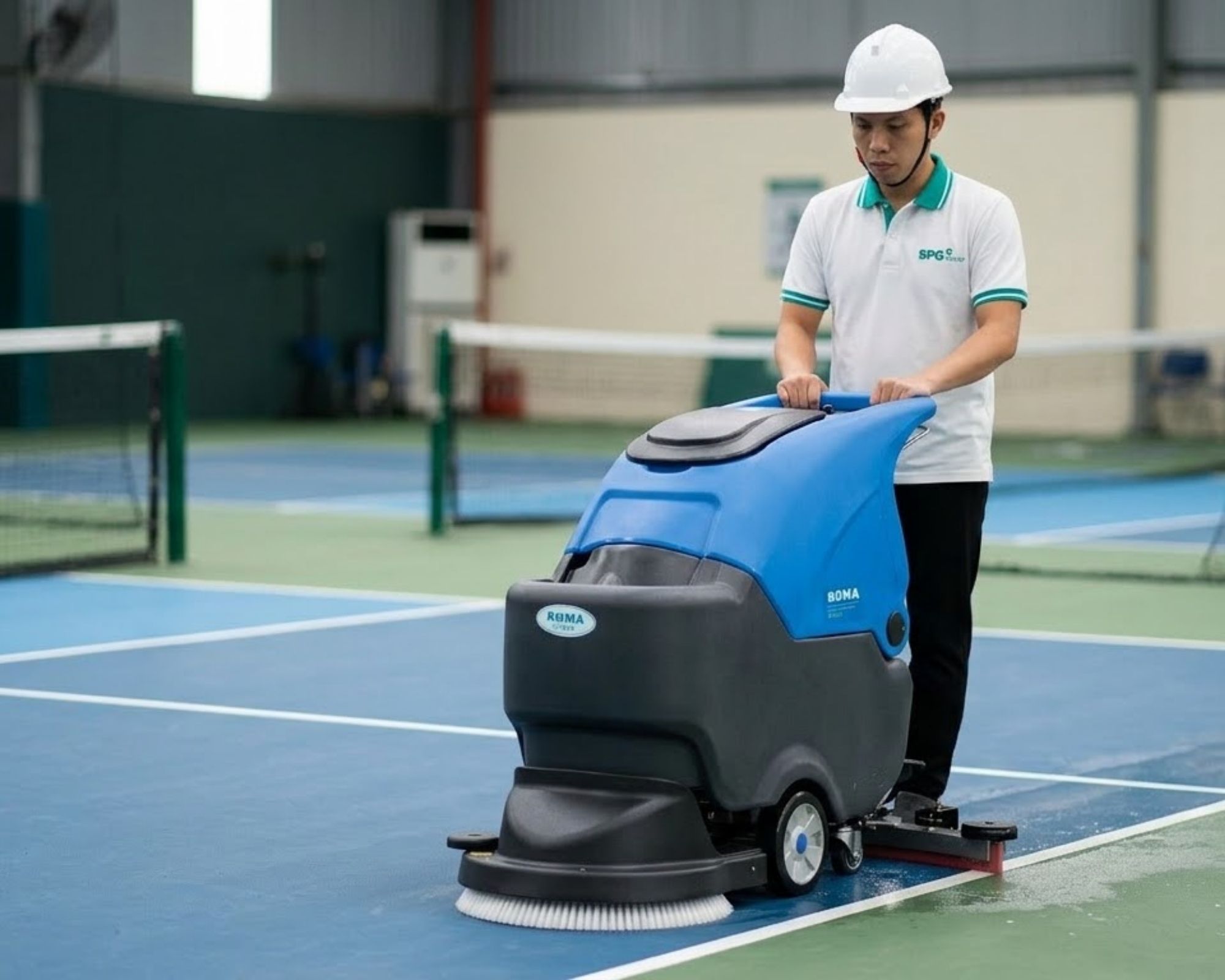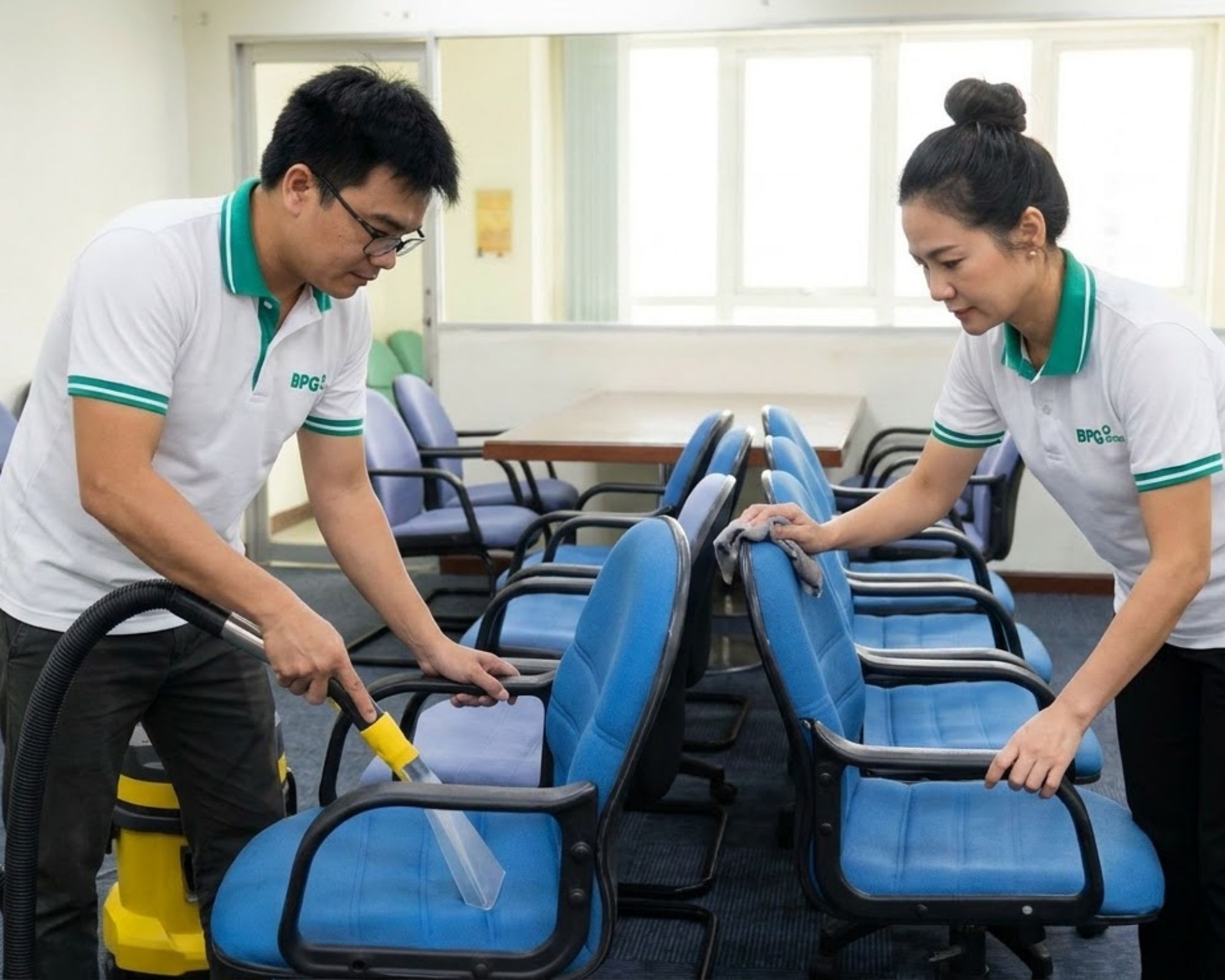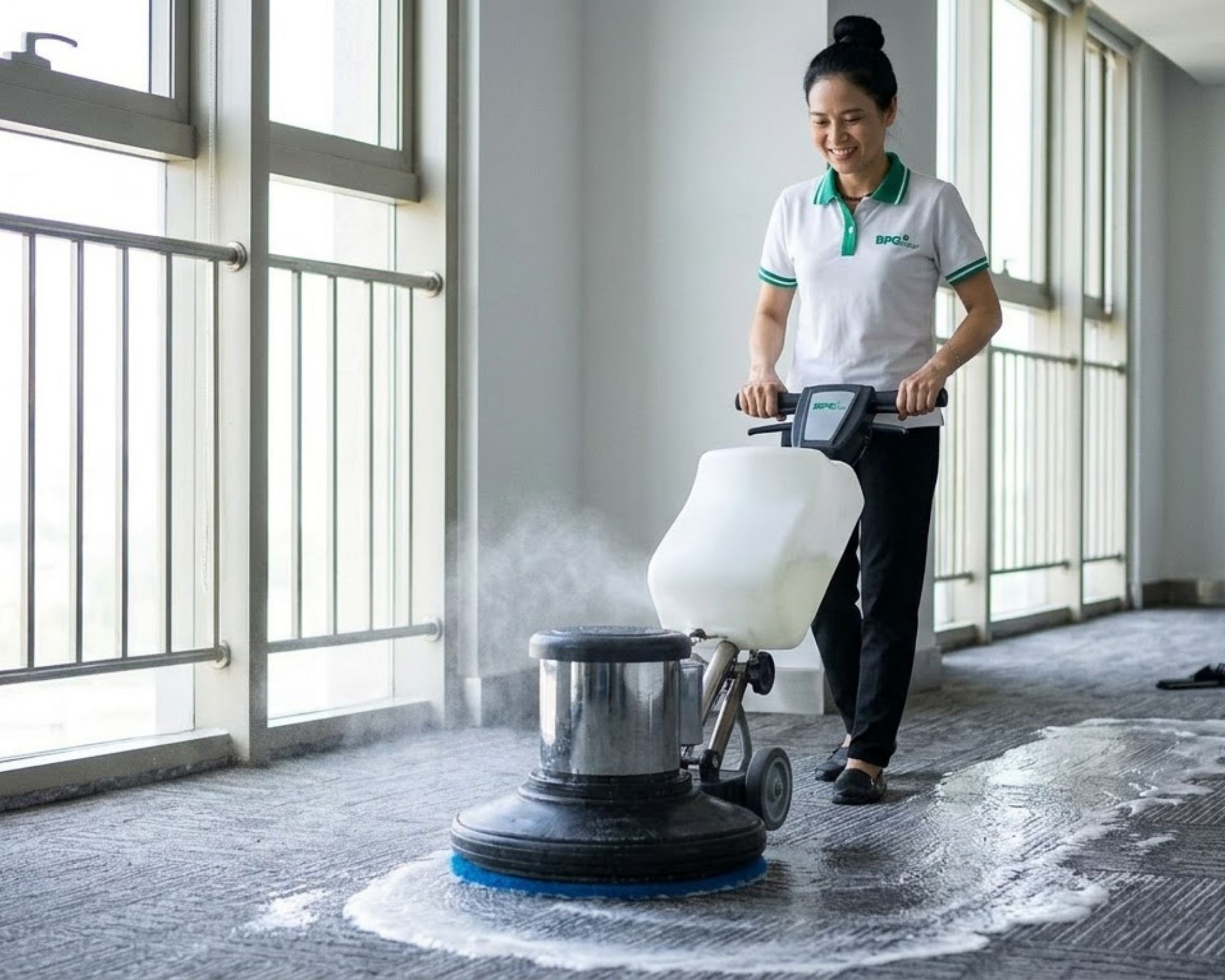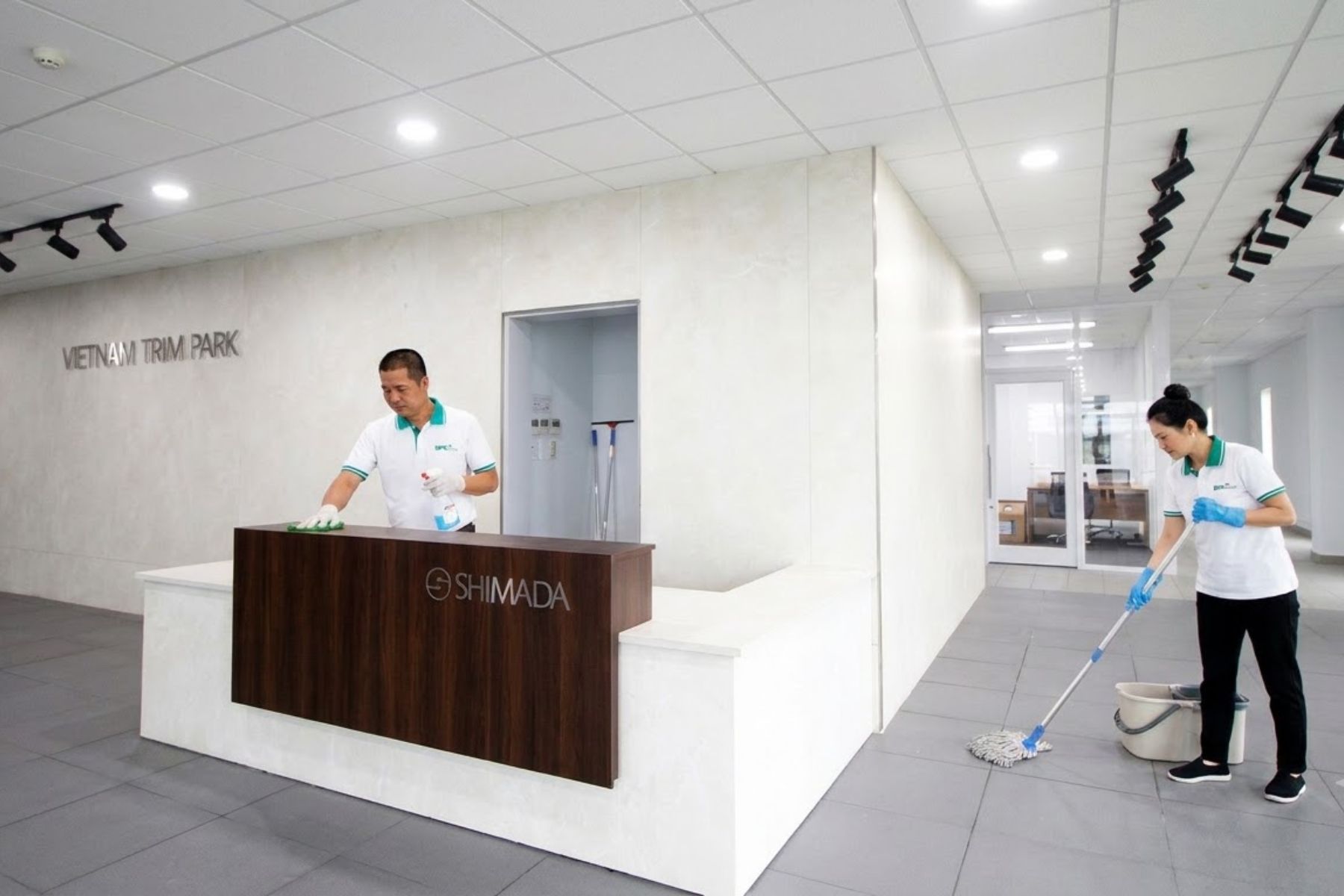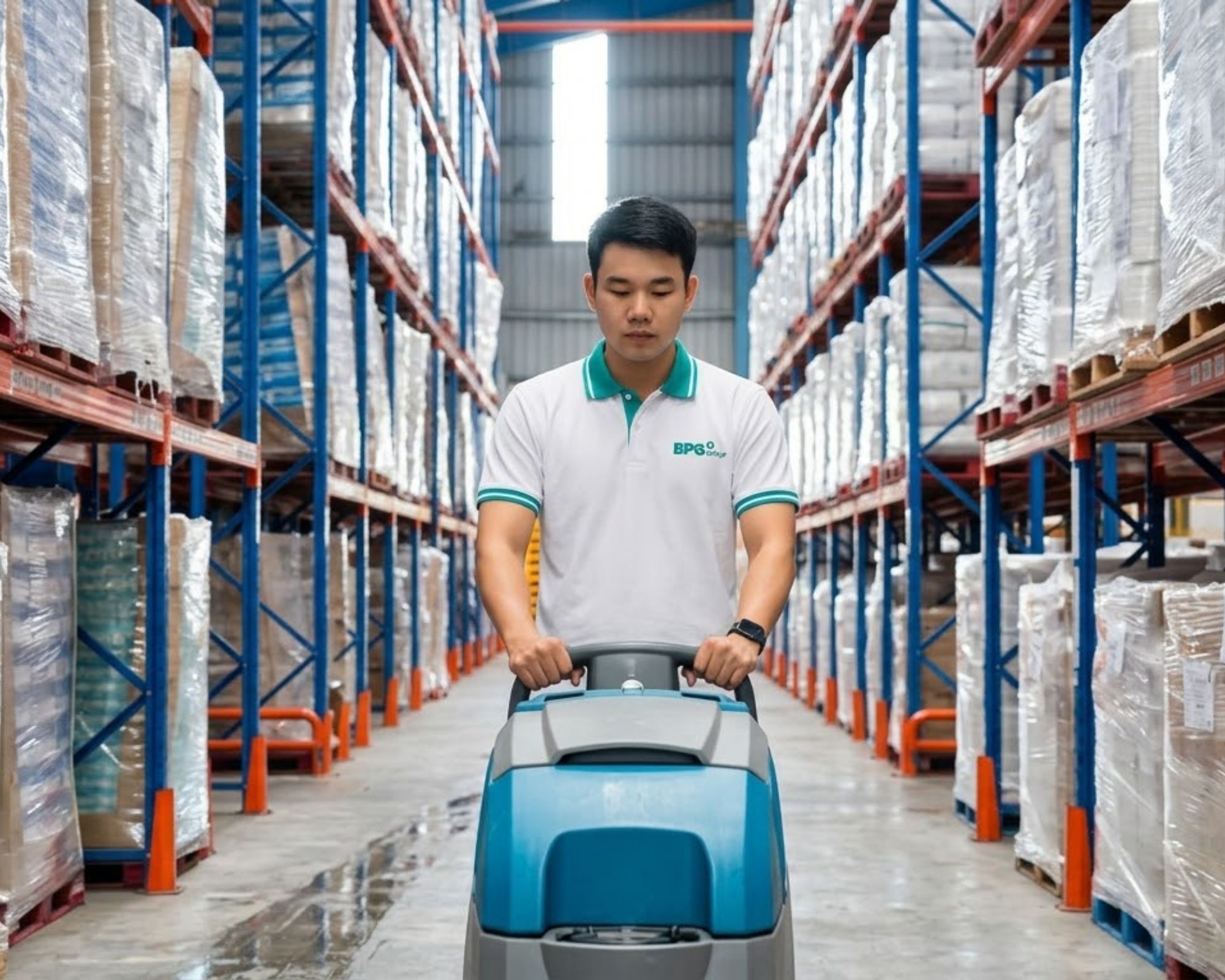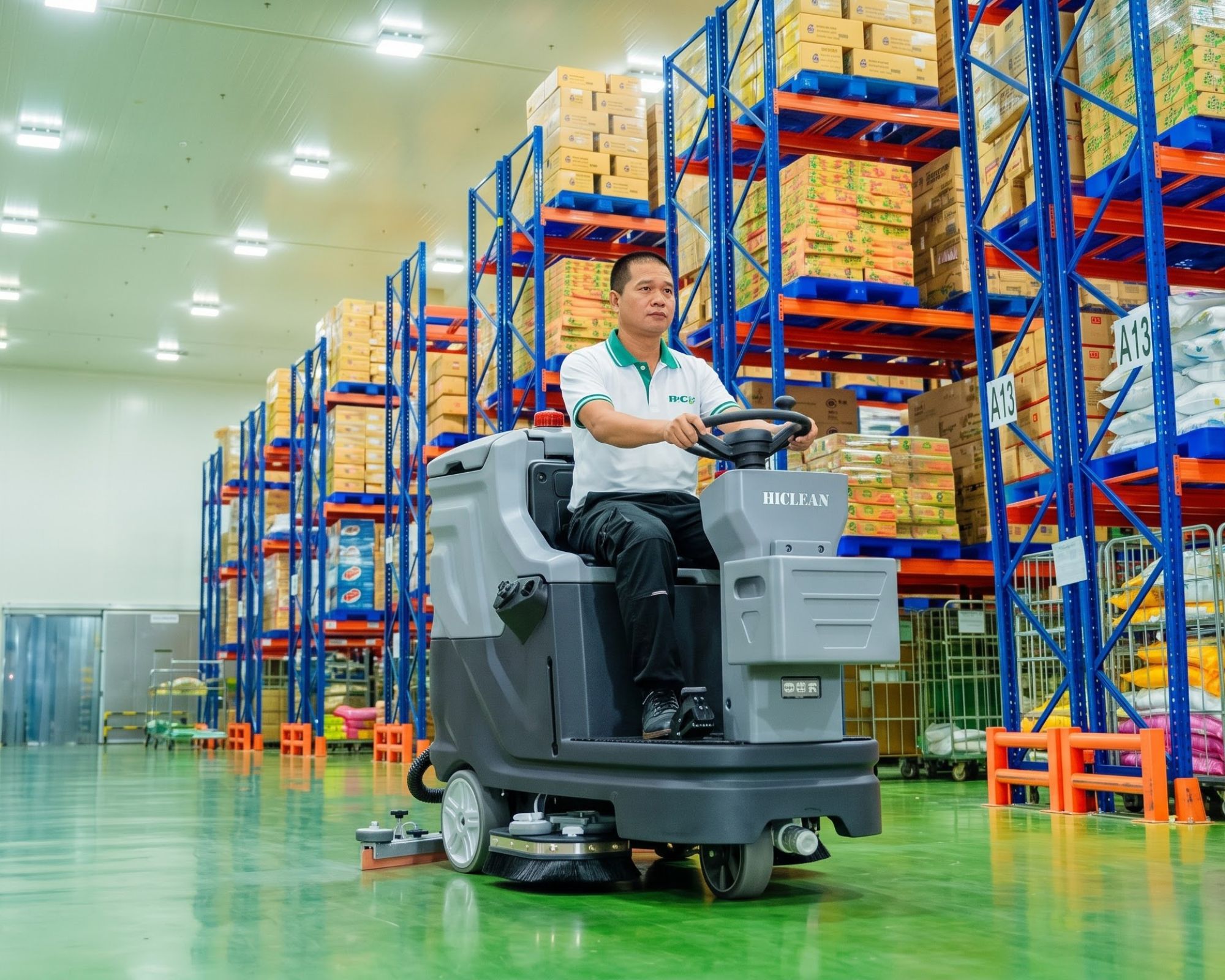
Choosing the wrong industrial cleaning partner doesn’t just mean an unclean facility — it can lead to safety risks, operational disruptions, and reputational damage in front of clients and partners. This article breaks down the core criteria that facility management and procurement teams should use to evaluate and select the right cleaning partner for their scale and industry.
Experience and Multi-Sector Capability
Hands-on experience is the first factor to consider — but it shouldn’t be measured only in years of operation. What matters more is what types of facilities the provider has actually managed: manufacturing plants, logistics warehouses, Grade A office buildings, shopping malls, schools, or residential buildings.
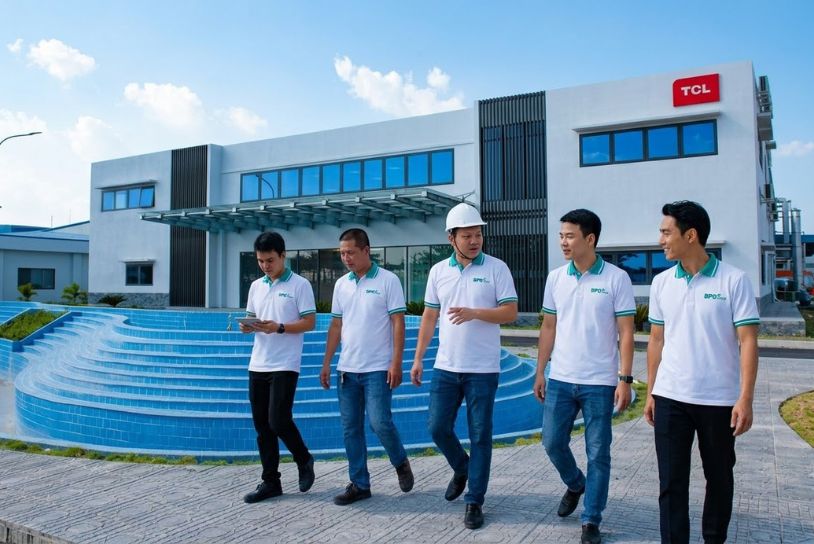
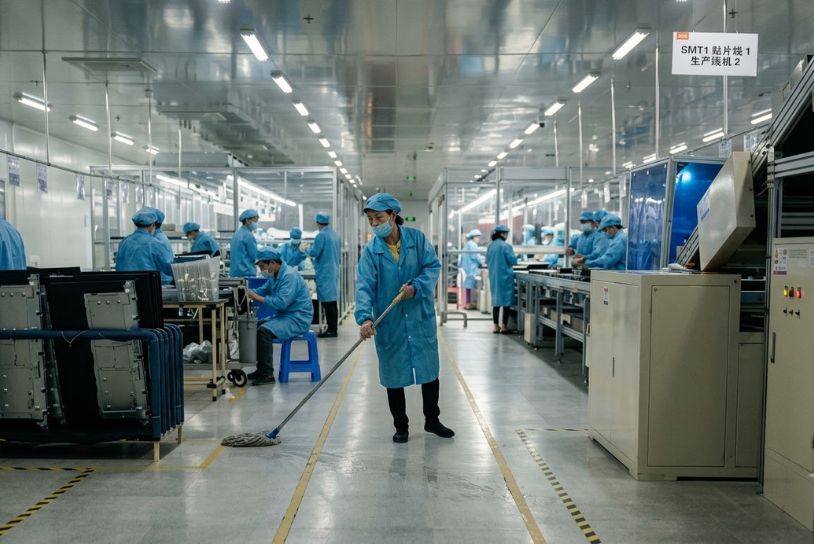

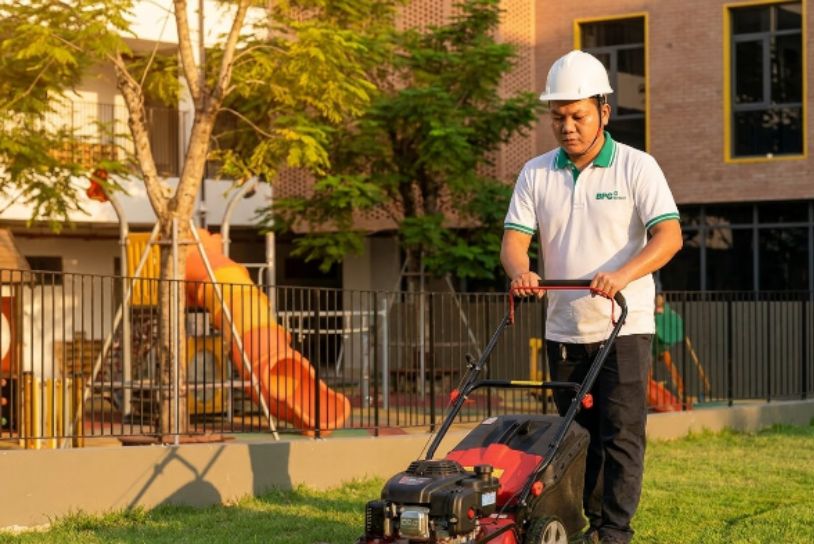
Each facility type comes with very different operating requirements. Cleaning an FDI manufacturing plant requires strict compliance with the tenant’s safety regulations, while cleaning a school puts child safety front and center. A provider with a diverse portfolio across multiple industries typically signals stronger adaptability and processes flexible enough to handle different operating contexts.
Certifications and Operating Standards
International certifications give businesses an objective way to evaluate how standardized a cleaning company’s operations really are, rather than relying on marketing claims alone. ISO 9001:2015 certification for quality management systems is one of the most common standards businesses should ask their partner to provide, as it reflects whether quality control processes are properly established and consistently maintained.
Beyond international certifications, credible industry awards are also a useful reference point for assessing a provider’s standing in the market.
Staff and Training Process
Service quality depends directly on the people carrying out the work — not on pricing sheets or capability profiles.
A cleaning company can have an impressive capability profile, but if its staff aren’t properly trained and there’s no site supervisor overseeing the work, actual quality is unlikely to meet the original commitment.
When evaluating a cleaning company, businesses should look into:
- Whether staff receive proper training before starting shifts
- Whether on-site supervisors directly monitor work quality
- Whether the team has a process for handling disruptions (unplanned absences, shift shortages)
A well-trained team backed by on-site supervision significantly reduces the risk of substandard work or unmet commitments.
Monitoring Technology and Quality Management
As businesses increasingly prioritize operational transparency, monitoring technology has become an important evaluation criterion alongside staffing quality. Digital attendance tracking software allows clients to verify actual staff presence on-site in real time, rather than relying solely on manual monthly reports.
This is also a clear differentiator between providers still operating in a traditional, manual way and those that have digitized their workforce management. Businesses should ask potential partners directly about the workforce management tools they use, rather than accepting vague descriptions like “a professional team.”
Chemicals, Equipment, and Safety Standards
The chemicals and equipment used directly affect cleaning effectiveness, the lifespan of surface materials, and the health of people using the space afterward. This criterion matters especially for facilities with children or health-sensitive occupants, such as schools and hospitals.
When working with a cleaning provider, businesses should ask for clear information about the origin of the chemicals used, whether they’re properly labeled, and whether they carry child-safety certification if the facility falls into that category. Using chemicals of unclear origin not only undermines cleaning effectiveness but also creates legal exposure for the client business itself.
Transparent Working Process
A professional industrial cleaning company needs a clear working process at two stages: before the contract is signed, and throughout service delivery.
Before signing, businesses should require the provider to conduct an on-site survey and provide a detailed, itemized quote rather than a vague all-in-one price. During service delivery, the reporting mechanism, feedback channels for issues, and the policy for handling service shortfalls should all be clearly defined. The service contract should clearly specify scope of work, frequency, and each party’s responsibilities to avoid disputes down the line.
Ability to Meet Industry-Specific Requirements
Beyond the general criteria above, businesses should also assess how well a provider can meet the specific requirements of their industry:
| Facility Type | Key Considerations |
|---|---|
| Manufacturing plants, industrial parks | Compliance with FDI tenant safety standards, shift coordination without disrupting production |
| Warehousing, logistics | Cleaning large-scale areas, safety procedures near goods and forklift zones |
| Grade A offices, commercial buildings | After-hours cleaning, minimal disruption to tenant operations |
| International schools | Child-safe chemicals, staff with verifiable background checks |
| Residential buildings | Common area cleaning, coordination with building management |
A partner with proven experience in the exact facility type a business operates will significantly shorten the onboarding period and reduce risk during the initial rollout phase.
Frequently Asked Questions
What documents should businesses request from a cleaning company before signing a contract?
Businesses should request a business registration certificate, ISO certification if applicable, and a sample contract to review terms around scope of work, responsibilities, and issue-resolution policies.
How can businesses confirm a cleaning company has enough staff to meet its commitments?
Ask the provider for a transparent staff-tracking mechanism, such as digital attendance software, rather than relying solely on manual reports.
Is price the most important factor when choosing an industrial cleaning company?
Price matters, but it shouldn’t be the only factor. Unusually low pricing is often tied to reduced staffing, lower-quality chemicals, or a lack of on-site supervision — which tends to create additional costs and risks later on.
How BPG Group Meets These Criteria
BPG Group provides comprehensive facility management (FM) solutions, serving business clients across Ho Chi Minh City and neighboring provinces such as Binh Duong, Dong Nai, and Vung Tau, as well as Da Nang and Hanoi. Here’s how BPG Group’s operations align with each criterion covered above:
- Certifications: BPG Group holds ISO 9001:2015 certification and received The Best of Vietnam 2024 award.
- Monitoring technology: BPG Group uses Tanca digital attendance software, allowing clients to track on-site staff presence in real time.
- Safe chemicals: BPG Group uses child-safety certified chemicals, suitable for facilities with strict safety requirements such as schools.
- Multi-sector experience: BPG Group has served a wide range of clients, from manufacturing plants and warehouses to offices and international schools.
If your business is looking for an industrial cleaning partner that meets these standards, contact BPG Group for a site assessment and a solution tailored to your operational scale.